
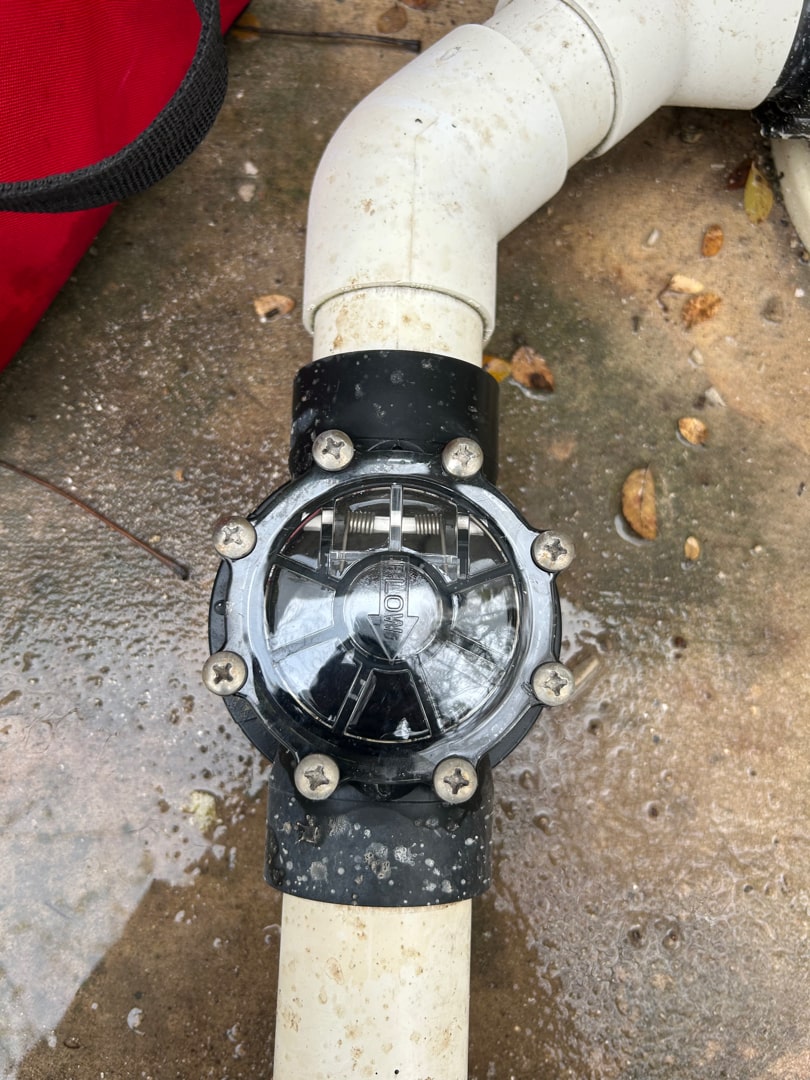
What Is a Pool Valve Actuator?
If your pool has automation, water features, a spa, or multiple circulation modes, there is a good chance your system uses electric valve actuators.
A pool valve actuator is a small electric motor that automatically rotates a pool valve to control the direction of water flow. Instead of manually turning a valve handle, an actuator allows your pool automation system to move valves automatically with the push of a button.
Pool valve actuators are commonly found on pools with:
- Pool and spa combinations
- Automated control systems
- Waterfalls and water features
- Solar heating systems
- Pool heaters
- Variable-speed pumps
- Salt systems
- Automatic cleaning systems
For homeowners in Austin, Round Rock, Cedar Park, Georgetown, Leander, Lakeway, Bee Cave, and surrounding Central Texas communities, valve actuators are especially common because many modern pools include automation, spas, and energy-efficient equipment.
How Does a Pool Valve Actuator Work?
A valve actuator connects directly to a diverter valve, usually a 2-way or 3-way valve.
Inside the actuator is:
- An electric motor
- Gears
- Position switches
- Wiring connections
- A manual override switch
When your pool automation system sends a signal, the actuator motor rotates the valve to the programmed position.
For example:
Pool Mode
The actuator positions the valves so water circulates through the pool.
Spa Mode
The actuator rotates the valves to redirect water from the pool to the spa.
Water Feature Mode
The actuator opens or closes specific valves to send water to:
- Waterfalls
- Deck jets
- Bubblers
- Fountains
The actuator allows your pool system to change operating modes automatically without manually adjusting valves.
Common Pool Valve Actuator Brands

Several manufacturers dominate the residential pool equipment market.
The most common pool valve actuator brands include:
- Pentair
- Jandy
- Hayward
- Intermatic
- Super Pro
While these brands use similar designs, wiring, compatibility, and manual controls can vary slightly.
Pentair Valve Actuators
Pentair actuators are commonly installed with Pentair automation systems such as EasyTouch, IntelliTouch, and IntelliCenter.
Common models include:
- Pentair Compool Valve Actuator
- Pentair CVA-24T
Pentair actuators are known for:
- Reliable operation
- Compatibility with Pentair automation
- Adjustable rotation settings
- Manual override capability
A common symptom of a failing Pentair actuator is hearing the motor run while the valve does not move.
Jandy Valve Actuators
Jandy actuators are widely used with Jandy AquaLink automation systems.
Common models include:
- Jandy Valve Actuator
- JVA series actuators
Jandy actuators are popular because they work with Jandy NeverLube valves and many automated pool systems.
Common issues include:
- Clicking noises
- Slow movement
- Valve stopping halfway
- Loss of synchronization
Hayward Valve Actuators
Hayward actuators are commonly paired with Hayward OmniLogic and ProLogic automation systems.
Common models include:
- Hayward GVA series actuators
Hayward actuators provide automated control for:
- Pool/spa switching
- Water features
- Solar heating
A failing Hayward actuator may show symptoms such as:
- No movement
- Intermittent operation
- Valve moving in only one direction
Intermatic Valve Actuators
Intermatic is well known for pool timers, controls, and automation equipment.
Intermatic actuators are often used in automated pool systems where valve control is required.
Common problems include:
- Motor failure
- Wiring issues
- Internal gear damage
- Incorrect positioning
Super Pro Valve Actuators
Super Pro actuators are commonly used as replacement actuators because they are compatible with many popular pool valve systems.
They are often selected for:
- Cost-effective replacements
- Compatibility with common diverter valves
- Residential pool applications
As with other brands, proper valve alignment and wiring are important for reliable operation.
What Are Pool Valve Actuators Used For?

1. Pool and Spa Automation
The most common use is switching between pool and spa operation.
When you select “Spa Mode,” actuators automatically:
- Close pool return valves
- Open spa return valves
- Redirect suction flow
Without actuators, these changes would need to be done manually.
2. Water Features
Actuators control water flow to features such as:
- Waterfalls
- Bubblers
- Deck jets
- Fountains
They allow homeowners to turn features on and off automatically.
3. Pool Heating Systems
Actuators are commonly used with:
- Gas heaters
- Heat pumps
- Solar heating systems
They can redirect water flow depending on heating requirements.
4. Solar Pool Heating
Solar systems often use actuators to move water through roof-mounted solar collectors when heating is needed.
5. Automatic Cleaning Systems
Some older cleaning systems use automated valves to control water flow to cleaning zones.
Signs Your Pool Valve Actuator Is Failing
A faulty actuator usually provides several warning signs.
1. The Valve Does Not Move
The most obvious symptom is the actuator failing to rotate the valve.
Possible causes include:
- Failed motor
- Electrical issue
- Damaged gears
- Automation problem
2. The Motor Makes Noise but the Valve Does Not Turn
If you hear:
- Clicking
- Grinding
- Humming
but the valve does not move, the internal gears may be damaged.
3. The Valve Stops Halfway
An actuator that moves only part of the way may have:
- Bad limit switches
- Incorrect adjustment
- Internal mechanical failure
4. Pool and Spa Modes Do Not Switch Correctly
Common symptoms include:
- Spa overflowing into the pool
- Pool jets running in spa mode
- Water feature not turning on
- Heater not receiving proper flow
5. The Actuator Works Manually but Not Automatically
If the valve moves when manually adjusted but not through automation, the problem may be:
- Wiring
- Automation controller
- Relay issue
- Actuator motor
How to Test a Pool Valve Actuator
Before replacing an actuator, check a few simple things.
Step 1: Check Power
Verify that the automation system is sending power to the actuator.
A multimeter can help determine whether voltage is reaching the actuator.
Step 2: Inspect Wiring
Check for:
- Loose connections
- Damaged wires
- Corrosion
- Moisture damage
Step 3: Check Valve Movement
Disconnect the actuator and manually move the valve.
If the valve itself is difficult to turn, the problem may be the valve—not the actuator.
Step 4: Test Manual Operation
Use the actuator’s manual switch to determine whether the motor and valve can operate independently.
How to Use the Manual Switch on a Pool Valve Actuator
Most pool valve actuators include a manual override switch that allows you to operate the valve without automation.
This is useful when:
- The actuator fails
- You need to place the pool in spa mode manually
- You are troubleshooting
- The automation system is offline
The manual switch is typically located on the bottom or side of the actuator housing.
General Manual Override Instructions
While designs vary slightly by manufacturer, the process is usually:
1. Turn Off Pool Equipment
Turn off the pump before manually changing valve positions.
This prevents the valve from moving under pressure.
2. Locate the Actuator Handle or Switch
Most actuators have a small toggle switch or locking mechanism.
Common positions include:
- ON1
- OFF
- ON2
These correspond to the two directions the actuator can rotate.
3. Move the Switch
Place the switch into the desired direction and allow the actuator to rotate.
Stop the actuator when the valve reaches the desired position.
4. Return the Switch to Automatic
After manual adjustment, return the switch to the center or automatic position so the automation system can control it again.
Manual Switch Operation by Brand
Pentair Actuator Manual Switch
Pentair actuators typically use a three-position switch:
- Position 1: Rotate one direction
- Center: Automatic control
- Position 2: Rotate the opposite direction
Jandy Actuator Manual Switch
Jandy valve actuators use a similar three-position toggle:
- One direction
- Automatic
- Opposite direction
The actuator can also typically be repositioned by loosening the screws and rotating the actuator body.
Hayward Actuator Manual Switch
Hayward actuators generally include a manual override switch allowing temporary valve positioning without automation.
Intermatic and Super Pro Actuator Manual Switches
These actuators generally follow the same basic design:
- Manual direction control
- Automatic center position
- Override operation during troubleshooting
Always refer to the specific actuator manual before making adjustments.
Should You Replace the Actuator or the Valve?
Sometimes the actuator is not the problem.
The valve itself may be damaged if:
- It is difficult to rotate manually
- The handle is cracked
- Internal seals have failed
- The valve body leaks
A professional inspection can determine whether you need:
- A replacement actuator
- A replacement valve
- Valve rebuilding
- Electrical troubleshooting
How Long Do Pool Valve Actuators Last?
Most pool valve actuators last approximately:
5–10 years
Lifespan depends on:
- Climate exposure
- Pool equipment location
- Frequency of operation
- Water chemistry
- Quality of installation
Texas heat and outdoor exposure can accelerate wear over time.
Preventing Pool Actuator Problems
To extend actuator life:
- Keep equipment areas clean and dry.
- Address leaks near valves.
- Avoid forcing valves manually.
- Maintain proper water chemistry.
- Inspect automation equipment regularly.
- Have equipment checked during routine pool service.
Frequently Asked Questions
Why is my pool valve actuator clicking?
Clicking usually indicates worn internal gears, failed switches, or an actuator that is struggling to move the valve.
Can I manually turn a pool valve actuator?
Yes. Most actuators have a manual override switch that allows temporary operation.
How do I know if my actuator or valve is bad?
If the valve is easy to turn manually but the actuator does not operate, the actuator is likely the issue.
Are Pentair, Jandy, Hayward, Intermatic, and Super Pro actuators interchangeable?
Some actuators are compatible across brands, but compatibility depends on the valve type, mounting pattern, voltage, and automation system.
Keep Your Pool Automation Working Properly with Aqua Clear Pool Care
Pool valve actuators are small components that play a major role in keeping automated pool systems functioning properly. When they fail, homeowners often notice problems switching between pool and spa modes, operating water features, or maintaining proper circulation.
At Aqua Clear Pool Care, we help homeowners throughout Austin, Round Rock, Cedar Park, Georgetown, Leander, Pflugerville, Lakeway, Bee Cave, Dripping Springs, and surrounding Central Texas communities diagnose and repair pool equipment issues.
From valve actuators and automation systems to pumps, filters, heaters, and water chemistry, our team helps keep your pool operating efficiently year-round.


Leave a Reply