
Why Testing Phosphates in Your Pool Matters (Austin Homeowner Guide)
When most pool owners think about water chemistry, they focus on chlorine, pH, and alkalinity—and that makes sense. But there’s another factor that often gets overlooked and can quietly cause major problems:
Phosphates.
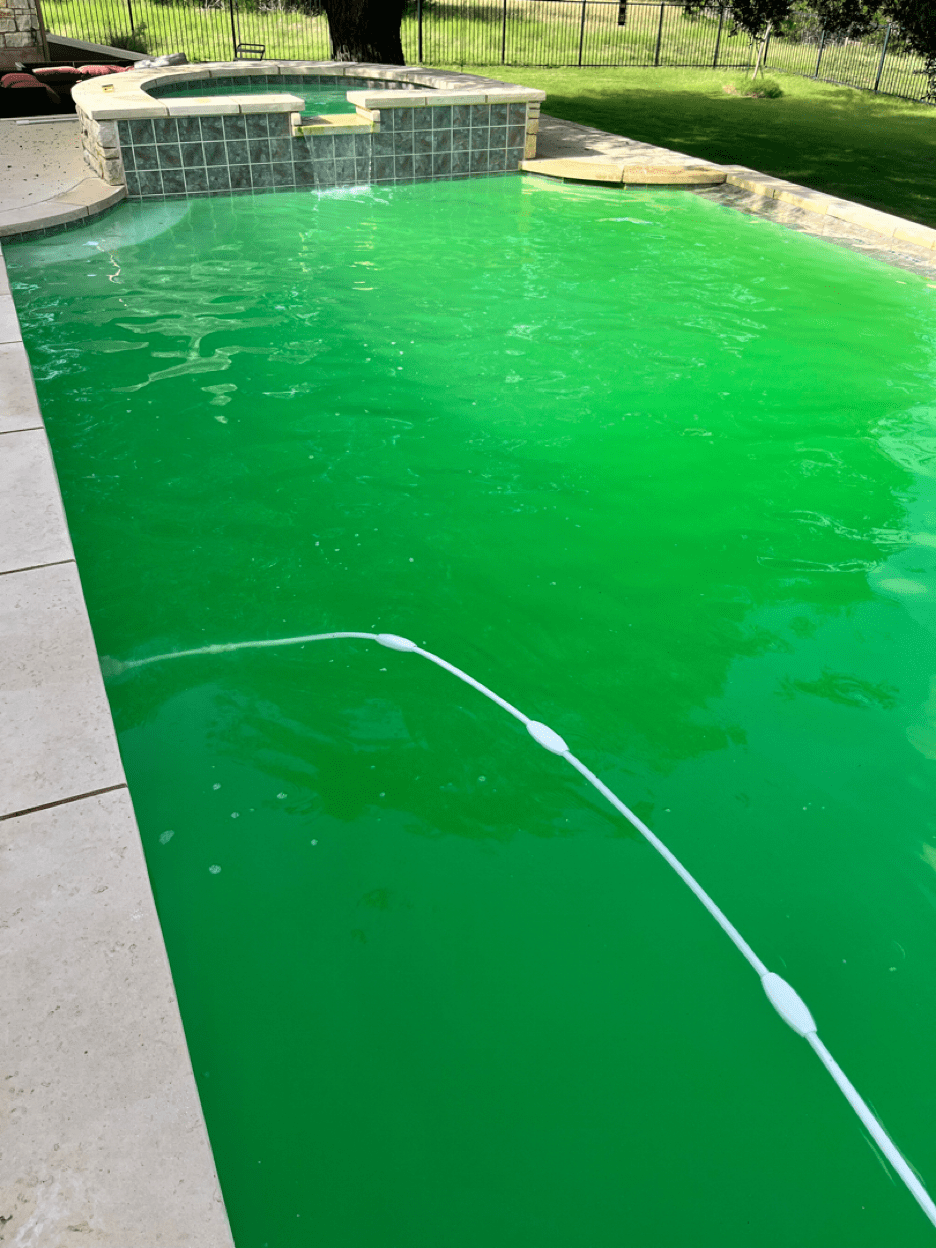
At Aqua Clear Pool Care, we regularly see pools in Austin struggling with recurring algae, cloudy water, or high chemical demand—only to find that phosphate levels are the root cause.
Here’s what you need to know about phosphates, why they matter, and how to manage them.
What Are Phosphates?
Phosphates are organic compounds that enter your pool water from the environment. On their own, they’re not harmful to swimmers—but they are a primary food source for algae.
Think of it this way:
- Chlorine kills algae
- Phosphates feed algae
If phosphates are high, algae can grow faster than your sanitizer can keep up.
Why Phosphate Testing Is Important
You can have:
- Proper chlorine levels
- Balanced pH
- Clean-looking water
…and still get algae outbreaks if phosphate levels are elevated.
High phosphates can lead to:
- Recurring algae growth
- Cloudy or dull water
- Increased chlorine demand (you’ll use more chemicals)
- Reduced effectiveness of sanitizer
In Austin, where heat and debris accelerate algae growth, phosphates can quickly turn into a bigger issue if not monitored.
What Is the Normal Phosphate Range?
Phosphates are measured in parts per billion (ppb).
General guidelines:
- 0–100 ppb: Ideal (very low risk)
- 100–300 ppb: Acceptable but should be monitored
- 300+ ppb: High (increased algae risk)
- 1000+ ppb: Very high (likely to cause persistent problems)
At Aqua Clear Pool Care, we aim to keep phosphate levels as low as possible, especially during peak summer months.
What Causes Phosphates in Your Pool?
Phosphates are extremely common—especially in Central Texas. Even well-maintained pools can accumulate them.
Common sources include:
1. Yard Debris
- Leaves
- Grass clippings
- Pollen (a big one in Austin)
As organic material breaks down, it releases phosphates into the water.
2. Rain and Runoff
Stormwater can carry:
- Fertilizers
- Soil
- Organic debris
This is one of the fastest ways phosphates enter your pool.
3. Fertilizers and Landscaping Chemicals
If you or your neighbors use lawn treatments, those nutrients can easily wash into your pool—especially during rain.
4. Swimmers and Personal Products
- Lotions
- Sunscreen
- Body oils
These can introduce small amounts of phosphates that build up over time.
5. Fill Water (Tap Water)
In some areas, even your hose water can contain trace phosphates.
How to Treat High Phosphate Levels
If your phosphate levels are elevated, the solution is a phosphate remover.
Step-by-step treatment:
- Test your phosphate level
Use a reliable test kit or have it professionally tested.
- Add phosphate remover
Follow dosing instructions based on your pool size and phosphate level.
- Run your pump continuously
Circulate the water to help the remover work effectively.
Phosphate removers bind to phosphates and get captured in the filter—so cleaning is essential after treatment.
What to expect:
- Water may turn temporarily cloudy after treatment
- Clarity returns as the filter removes particles
- Phosphate levels drop significantly within 24–48 hours
Important: Phosphates vs Chlorine
Lowering phosphates does not replace chlorine—you still need proper sanitizer levels.
However, reducing phosphates:
- Makes chlorine more effective
- Reduces how much chlorine you need
- Helps prevent algae instead of constantly fighting it
How to Prevent Phosphate Buildup
The best approach is ongoing prevention:
- Skim and remove debris regularly
- Clean your pool weekly
- Maintain proper filtration
- Monitor after heavy rainstorms
- Schedule regular professional maintenance
When to Call a Professional
If you’re dealing with:
- Repeated algae outbreaks
- Constant need for shocking
- Cloudy water that won’t clear
…it’s worth having your phosphates tested professionally.
At Aqua Clear Pool Care, we don’t just treat symptoms—we identify the underlying causes and fix them properly.
Final Thoughts
Phosphates are one of the most overlooked factors in pool care—but they can have a major impact on water quality and maintenance costs.
Keeping phosphate levels low helps:
- Prevent algae before it starts
- Reduce chemical usage
- Keep your pool clear and balanced
In a climate like Austin’s, where heat and debris are constant, phosphate control isn’t optional—it’s part of maintaining a truly healthy pool.
Need help testing or treating phosphates in your pool?
Aqua Clear Pool Care offers professional water testing and maintenance services to keep your pool clean, clear, and algae-free year-round.


Leave a Reply